In brief

Choose between a new in-line checkweighing duty and an existing-line rate increase using the actual pack range and required weight decision. Compare normal product and tare variation, sustained rate, pitch, stability and transfers, then challenge known weights and confirm removal of failed packs.

Start with the pack and spacing evidence and same challenge and reject criteria. These application routes do not establish a maximum rate, accuracy, supported pack format or proven customer installation.

On the production floor

Match the solution to your product, part and operating needs — High Speed Checkweighing

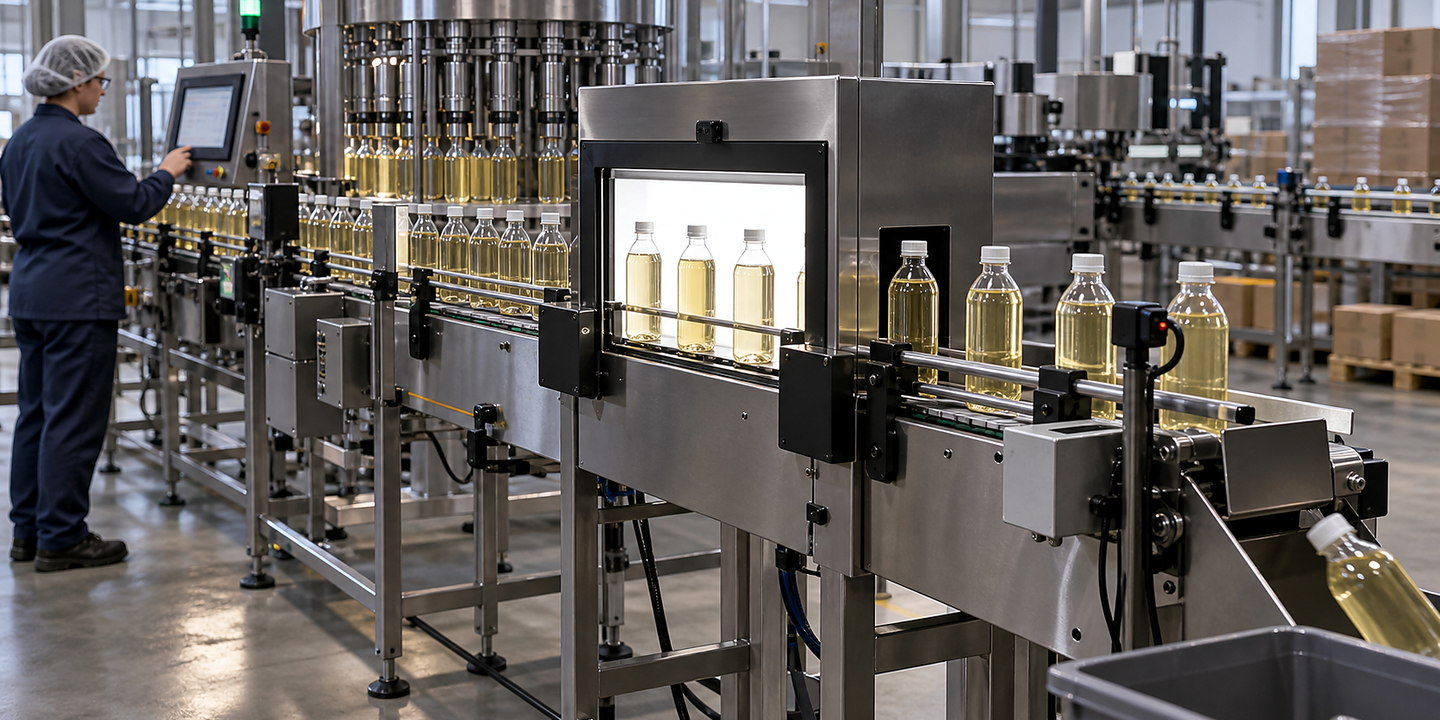
Plan high speed checkweighing around the smallest meaningful weight difference, normal product and tare variation, pack transfer, line speed, reject confirmation and traceable test evidence. Use the application examples to compare high-speed in-line pack weight checking with rate increases and checkweigher upgrades on existing lines.

Discuss your application
Application 1

High-Speed In-Line Pack Weight Checking

Define which packs need an in-line weight decision and the smallest meaningful difference to detect. Trial normal product and tare variation at the actual sustained rate, pitch and transfer conditions, retaining weighing and confirmed-reject results.

Explore this application
Application 2

Rate Increases and Checkweigher Upgrades on Existing Lines

Record current and intended rates, actual pitch/gap variation and transfer behaviour before agreeing an upgrade scope. Challenge representative formats under the intended conditions and confirm the complete weighing, tracking and reject sequence; do not infer suitability from a headline rate.

Explore this application
Choose the right route

Four questions that can change the recommended approach

What arrives?

Supply identified pack formats with dimensions, weight range, normal product and tare variation and known challenge weights. Include the least stable credible pack and actual arrival spacing.

What must happen?

Define the required weight decision, smallest meaningful difference and acceptance window. State the sustained/peak production pattern and the intended physical rejection and confirmation result.

What surrounds it?

Record upstream/downstream transfers, available layout, nearby vibration, starts/stops and accumulation. Agree controls, reject-bin conditions, records and responsible response to unresolved outcomes.

What result do you need?

Agree challenge identities, expected weighing and removal outcomes, repetitions and complete-sequence records. Retain actual rate, pitch and transfer conditions and unresolved limitations with an owner for follow-up.

ApproachOften suitable whenWatch for
High Speed CheckweighingEvery pack needs an in-line weight decision and controlled rejection at production rate.Prove discrimination against normal product and tare variation at real transfer conditions.
Static or Sample Weighing where Every Pack Need Not Be Checked in LineSampling is acceptable and the process can be controlled without weighing every pack.Define sampling frequency, response limits, records and the risk between samples.
Upstream Process Control where the Fault Is Better Prevented or Measured At SourceThe underlying fill or assembly process can prevent or measure the fault more directly.Confirm how upstream control and any final verification divide responsibility.